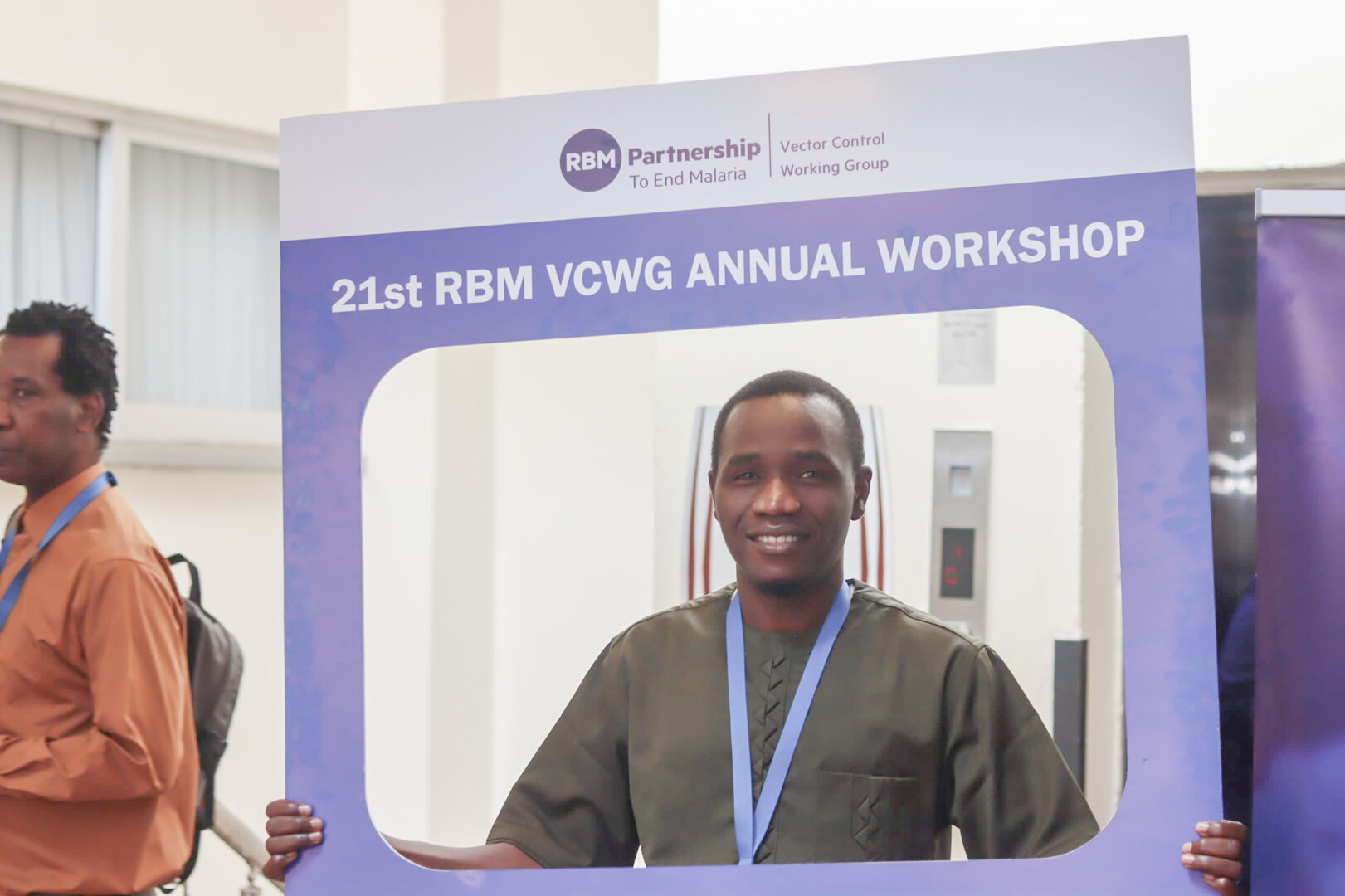
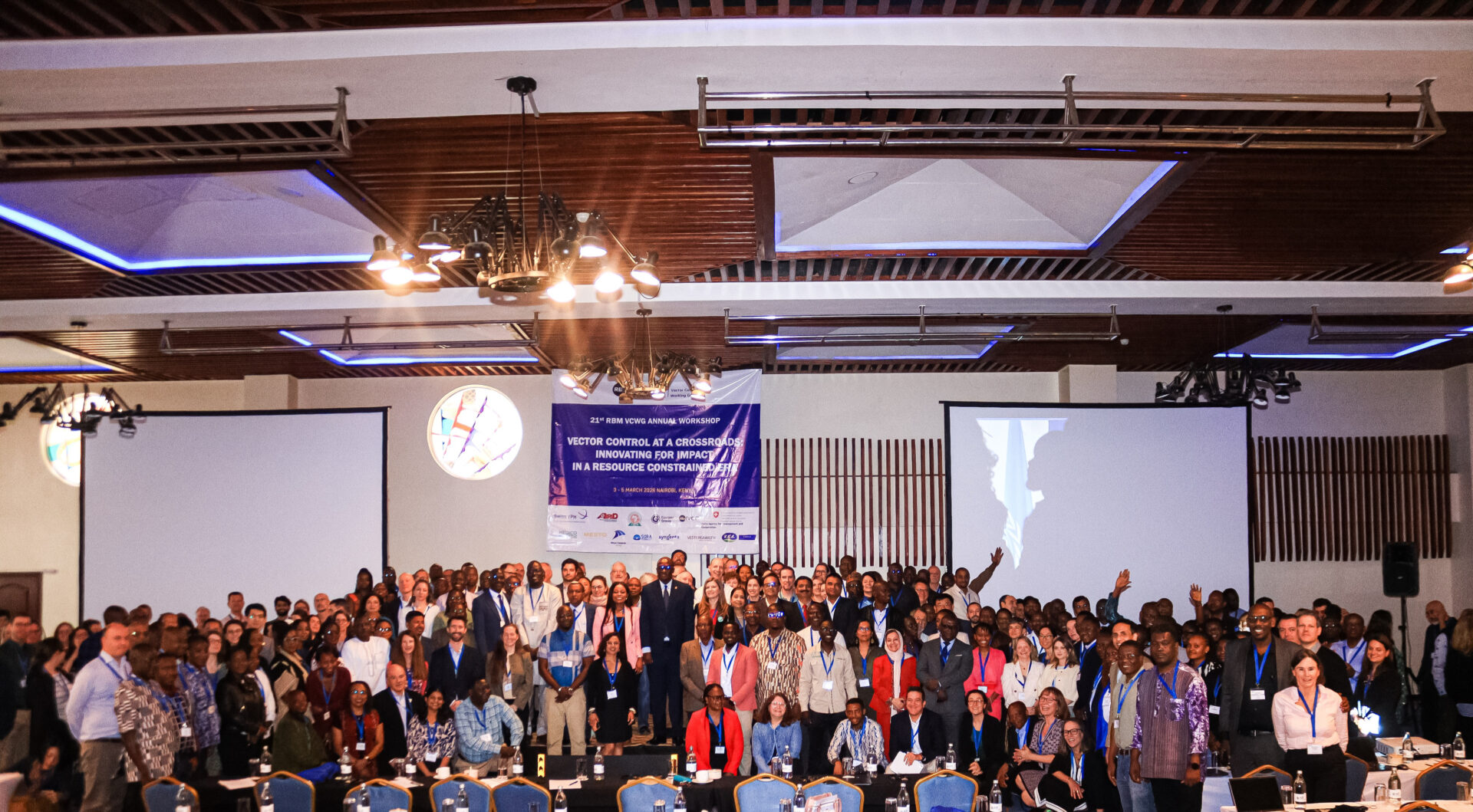
From March 3-5, I had the privilege of participating in the 21st Annual Workshop of the Vector Control Working Group (VCWG) of the RBM Partnership to End Malaria. Held in Nairobi, Kenya, this major event brought together over 300 members of the vector control community, including researchers, public health experts, and technical partners.
As a Malian doctoral student, my research focuses on the molecular biology and genetic engineering of mosquitoes. These two rapidly evolving fields are now opening up unprecedented opportunities for malaria vector control. Participating in such a workshop was an exceptional opportunity for me to step out of my laboratory and engage with on-the-ground realities, public policies, and the latest innovations relevant to the fight against malaria.
One of the workshop’s greatest strengths was the diversity of topics covered. I had the chance to attend high-level presentations on subjects that are currently at the forefront of the global scientific discourse:
- Innovative genetic technologies, particularly approaches based on gene drive, genetically modified mosquitoes or the release of sterile mosquitoes. These tools represent a promising avenue for sustainably reducing vector populations in regions where malaria is endemic.
- The management of insecticide resistance, a major challenge in sub-Saharan Africa – where mosquitoes are developing increasingly sophisticated resistance mechanisms. The discussions highlighted the need to combine epidemiological surveillance, product rotation, and non-chemical approaches.
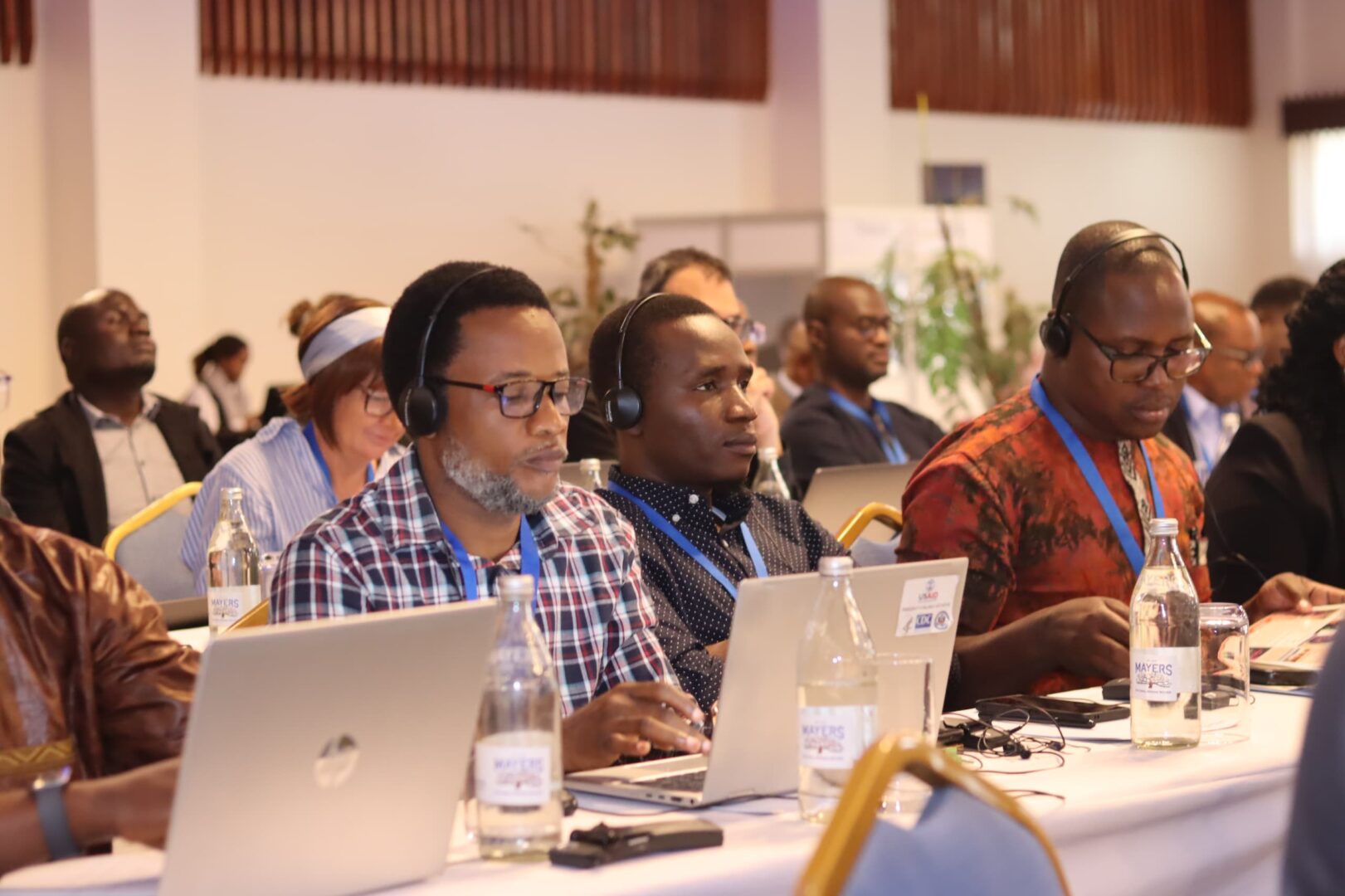
Beyond the plenary sessions and technical presentations, what truly shaped my experience were the personal exchanges. I had the privilege of speaking with internationally renowned scientists whose work has shaped my own understanding of vector control. These informal discussions over coffee between sessions allowed me to better grasp the challenges of translational research—that is, the transition from laboratory discovery to field application.
I also participated in working groups where we explored new approaches to mosquito control. These moments of information-sharing and collective work were particularly stimulating they showed me that science truly advances when researchers from different countries, policymakers, and local communities work hand in hand.
One of the topics closest to my heart during this workshop was the strengthening of research capacity on the African continent. Too often, innovations are developed elsewhere and then adapted to our local contexts. Yet, during this event, I sensed a growing desire to reshape this dynamic. Discussions emerged around cross-country collaborations aimed at training more young African researchers, equipping laboratories, and fostering local scientific leadership.