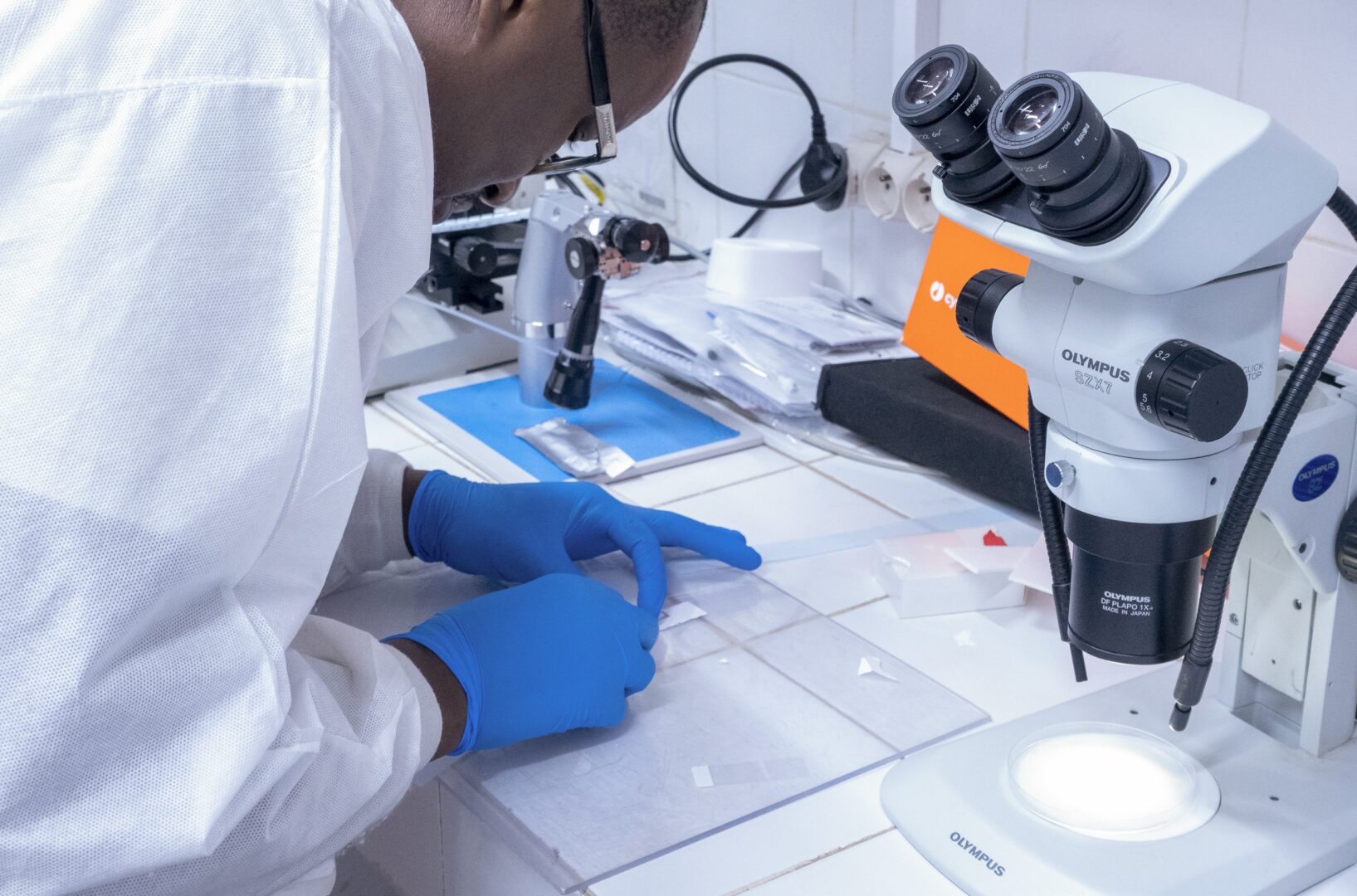
The fight against mosquito-borne diseases isn’t waged solely in laboratories. It begins in the minds of researchers capable of conceiving these tools, testing them, and then refining them. This is the very essence of capacity-building in the field of innovation.
For a long time, innovations in vector control particularly techniques for genetically modifying mosquitoes were developed far from regions most at risk from malaria, dengue, chikungunya, and other diseases.
ACEME: A Center Designed by and for Africa
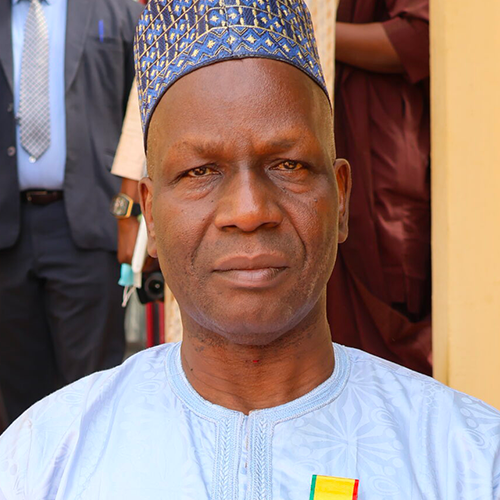
This is the bold endeavor undertaken by the African Center for Excellence in Molecular Engineering (ACEME), currently being established within the Malaria Research and Training Center (MRTC) at the University of Science, Technology, and Engineering in Bamako (USTTB). The center brings together a multidisciplinary team of Malian researchers including entomologists, bioinformaticians, epidemiologists, ecologists, and specialists in regulatory affairs, community engagement, and communication.
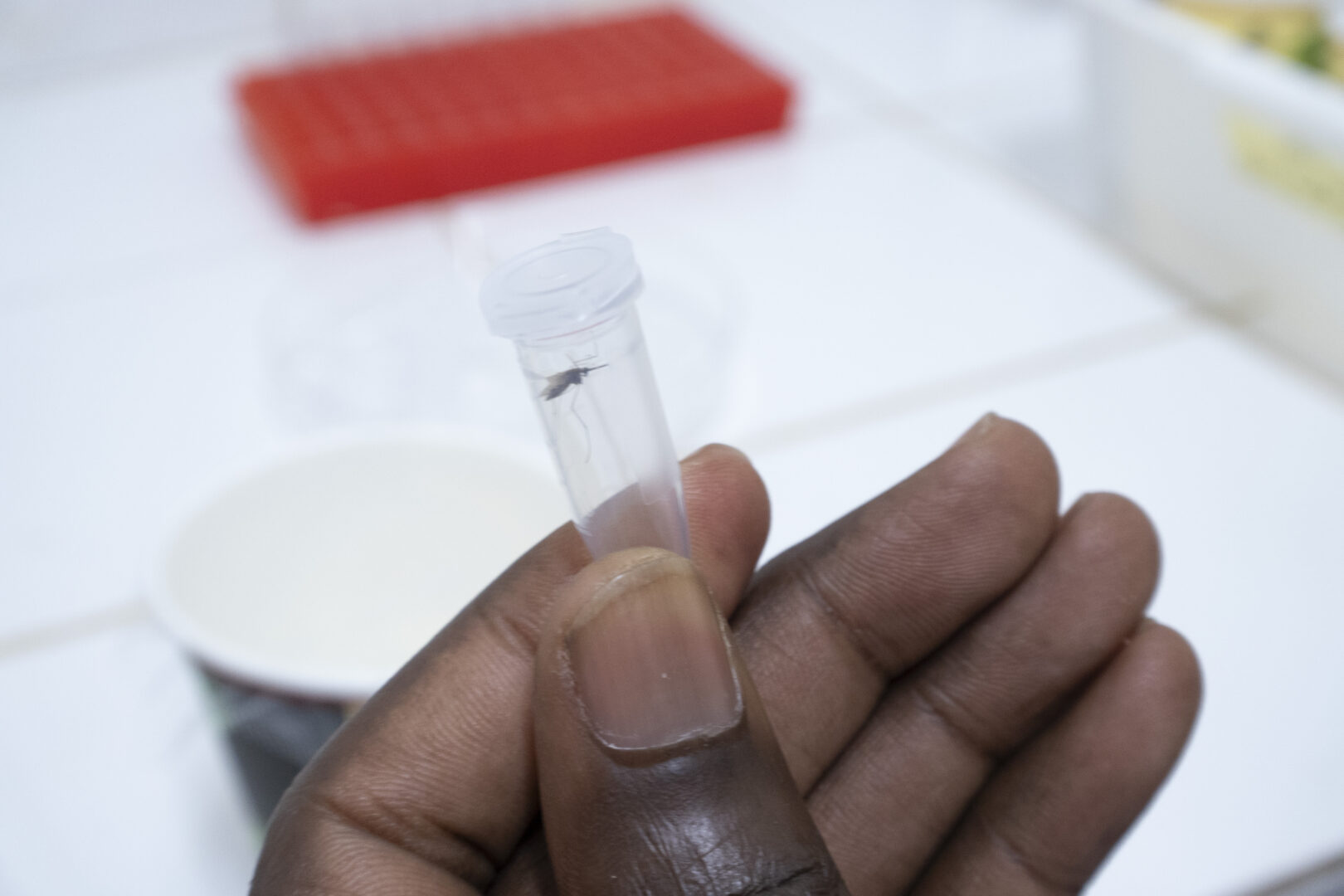
The center’s goal is to place African scientists at the heart of the fight against vector-borne diseases that severely affect the continent. In practical terms, this means equipping them with the means to acquire and refine advanced skills in genetic engineering, including the genetic modification of mosquitoes
This ambition cannot be realized without adequate infrastructure. The laboratory at USTTB in Bamako meets Arthropod Containment Level 2 (ACL2) standards a rigorous certification that ensures compliance with international standards for work on genetically modified organisms. It also serves as a training ground for the next generation of African researchers.
Thanks to strategic partnerships established with Keele University and the Liverpool School of Tropical Medicine (LSTM) in the United Kingdom, the team has been able to deepen its expertise in vector biology and molecular genetics—a solid foundation for eventually developing its own African training program. This North-South collaboration is no small matter: it paves the way toward true scientific autonomy.
An Investment in the Future
Training researchers in the genetic modification of mosquitoes means building a sustainable capacity to respond to health threats that are constantly evolving. Every scientist trained, every laboratory brought up to standard, and every partnership formed strengthens a more resilient research ecosystem—one that will be capable, in the future, of designing and implementing locally the tools that are still lacking.
On World Mosquito Day, August 20, 2026, these initiatives serve as a reminder of a simple truth: the best weapon against disease-carrying mosquitoes is not just technological. It is human.