
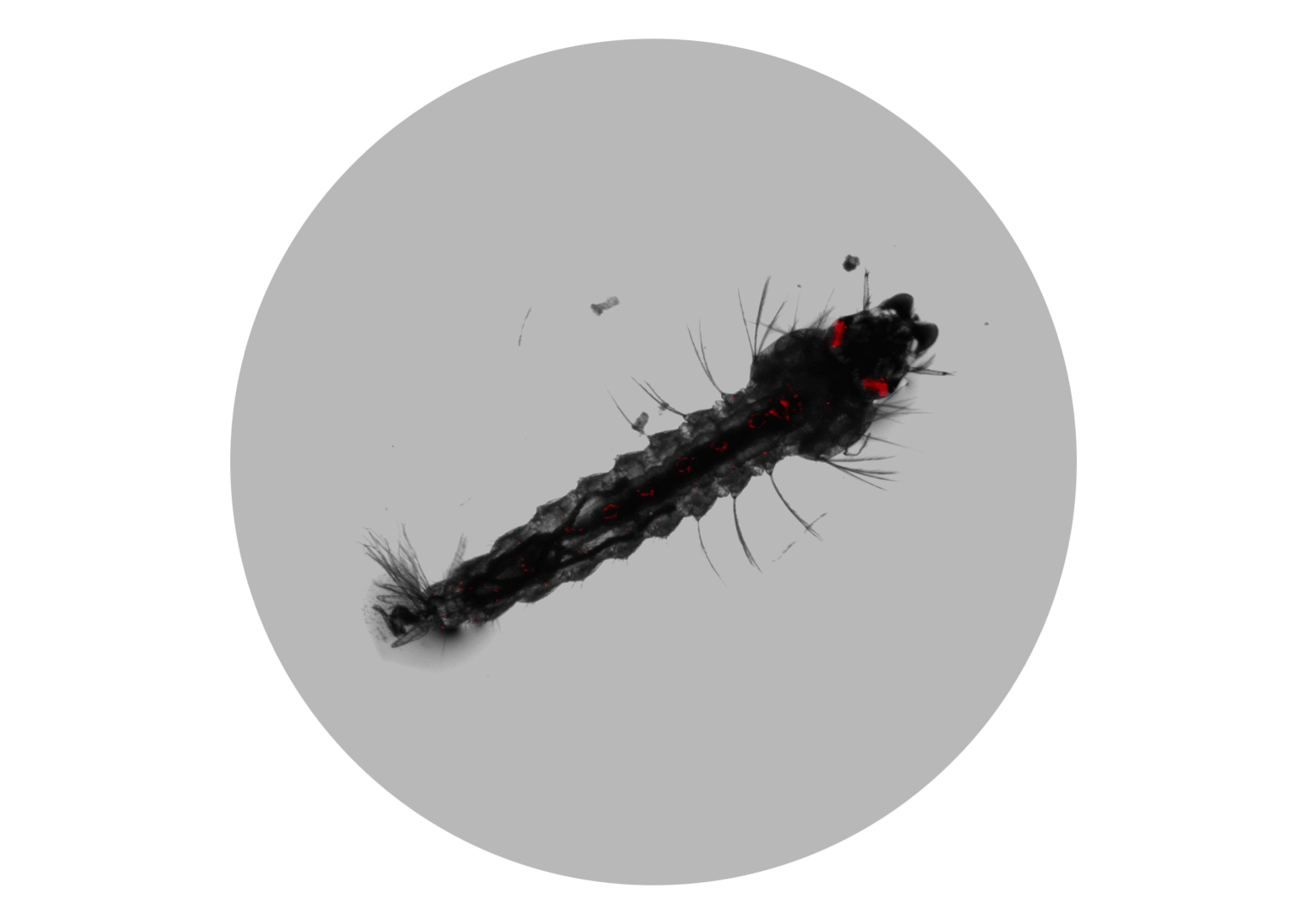
It is with great pride that ACEME announces a major scientific breakthrough: our researchers at the USTTB in Bamako have successfully developed a strain of genetically modified mosquitoes in our laboratories by introducing a fluorescent marker.
This achievement marks a first in Mali and West Africa. It represents a fundamental step forward in our efforts to place African researchers at the center of the fight against vector-borne diseases, which so severely affect our continent.
The introduction of this fluorescent marker, which is visible under a microscope, is more than just a technical success: it demonstrates the acquisition of scientific expertise that will enable us to actively contribute to advancing research on innovative genetic approaches to combat vector-borne diseases.
Mastery of a Strategic Technology
Faced with the persistent burden of vector-borne diseases in Africa, which cause more than 500,000 deaths annually, the development of innovative solutions such as genetically modified mosquitoes has become a strategic priority. This local mastery of genetic engineering directly responds to calls from African experts for to strengthen the continent’s technical expertise and generate local scientific evidence on Anopheles gambiae, the primary vector of malaria. Within ACEME, this work involves strengthening the technical team’s capabilities; It is important to note that, at this stage, this is not a vector control tool intended for deployment in the environment. This research is conducted exclusively in strictly contained environments, under the rigorous supervision of national authorities and with all required permits and biosafety measures in place, thereby ensuring the complete isolation of specimens from the external ecosystem.
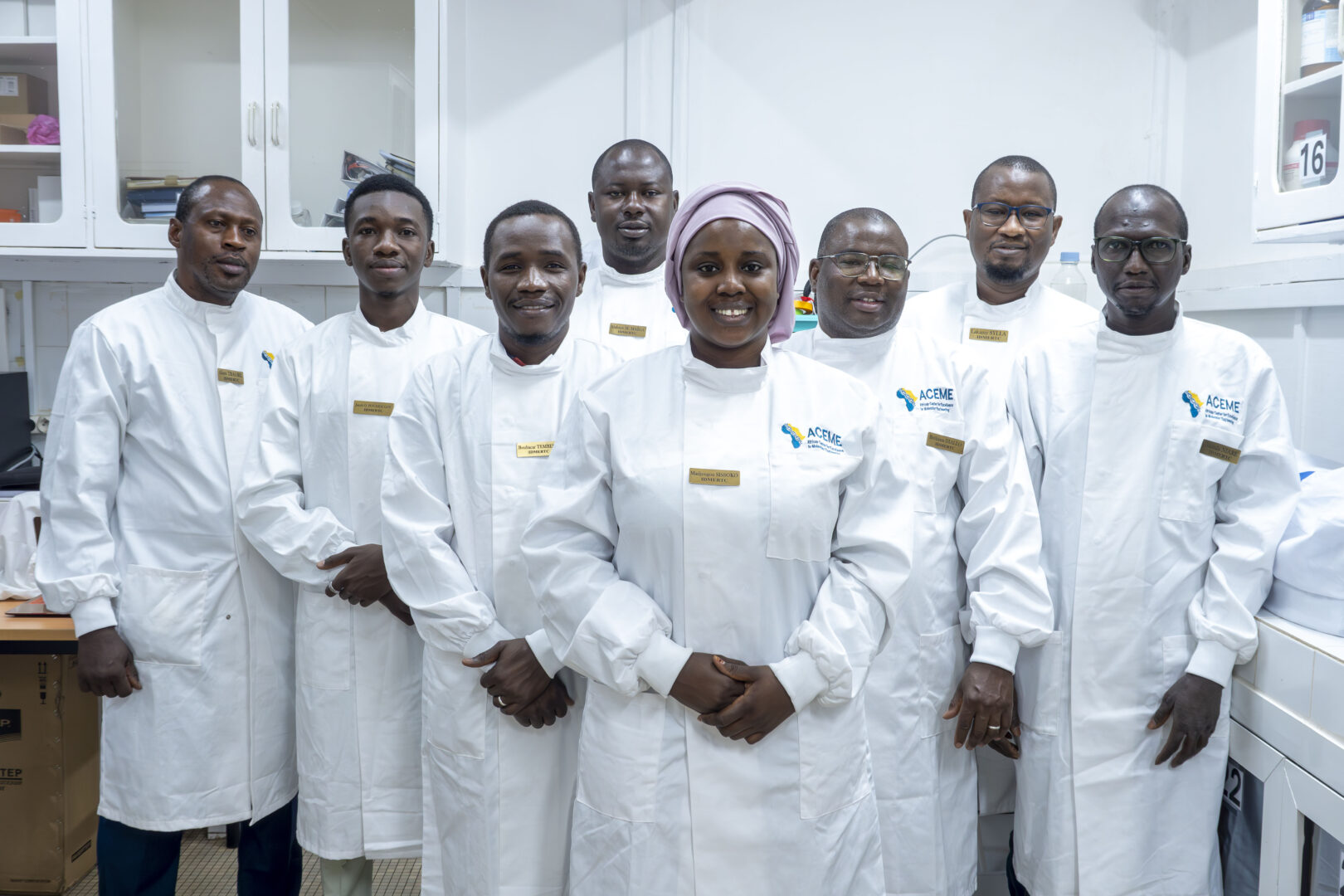
Since its founding, ACEME has been working to establish an African Center of Excellence in Genetic Engineering, which can provide African scientists with a framework for learning and developing advanced skills in genetic engineering.
This success is part of a broader trend in which Africa is gradually asserting its scientific leadership in research on innovative approaches to vector control, including genetically modified mosquitoes. The African Union, through AUDA-NEPAD, has identified these technologies as promising options for public health and is working to establish harmonized regulatory frameworks for their governance.
