
À l’occasion de la Journée mondiale du paludisme, l’équipe du Centre Africain d’excellence en Génie Génétique (l'ACEME) a eu une idée particulière : sortir les étudiantes des bancs de la faculté pour les plonger dans la peau de véritables chercheuses. L’objectif ? Leur montrer que la lutte contre ce fléau millénaire se joue aussi au bout des doigts, derrière une paillasse, avec des pinces, des loupes et des échantillons de moustiques.
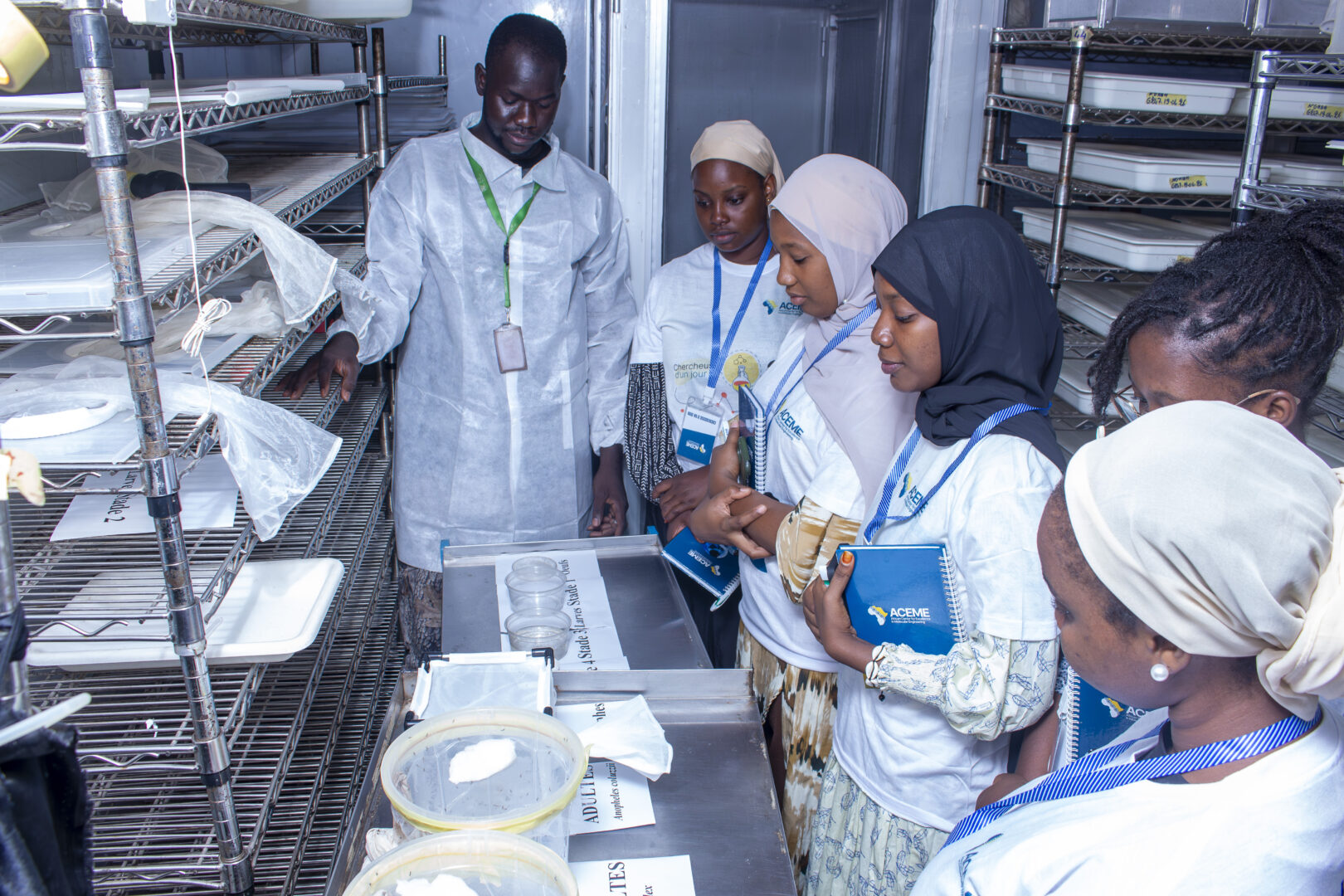
Dès leur arrivée, les étudiantes ont enfilé blouses et gants. L’effervescence était palpable. Ce n’était pas un simple cours magistral : ici, on touche, on observe, on dissèque, on identifie. L’idée était de les rendre actrices de la découverte, de leur donner les clés concrètes de la recherche entomologique.
Premier défi : la dissection du moustique
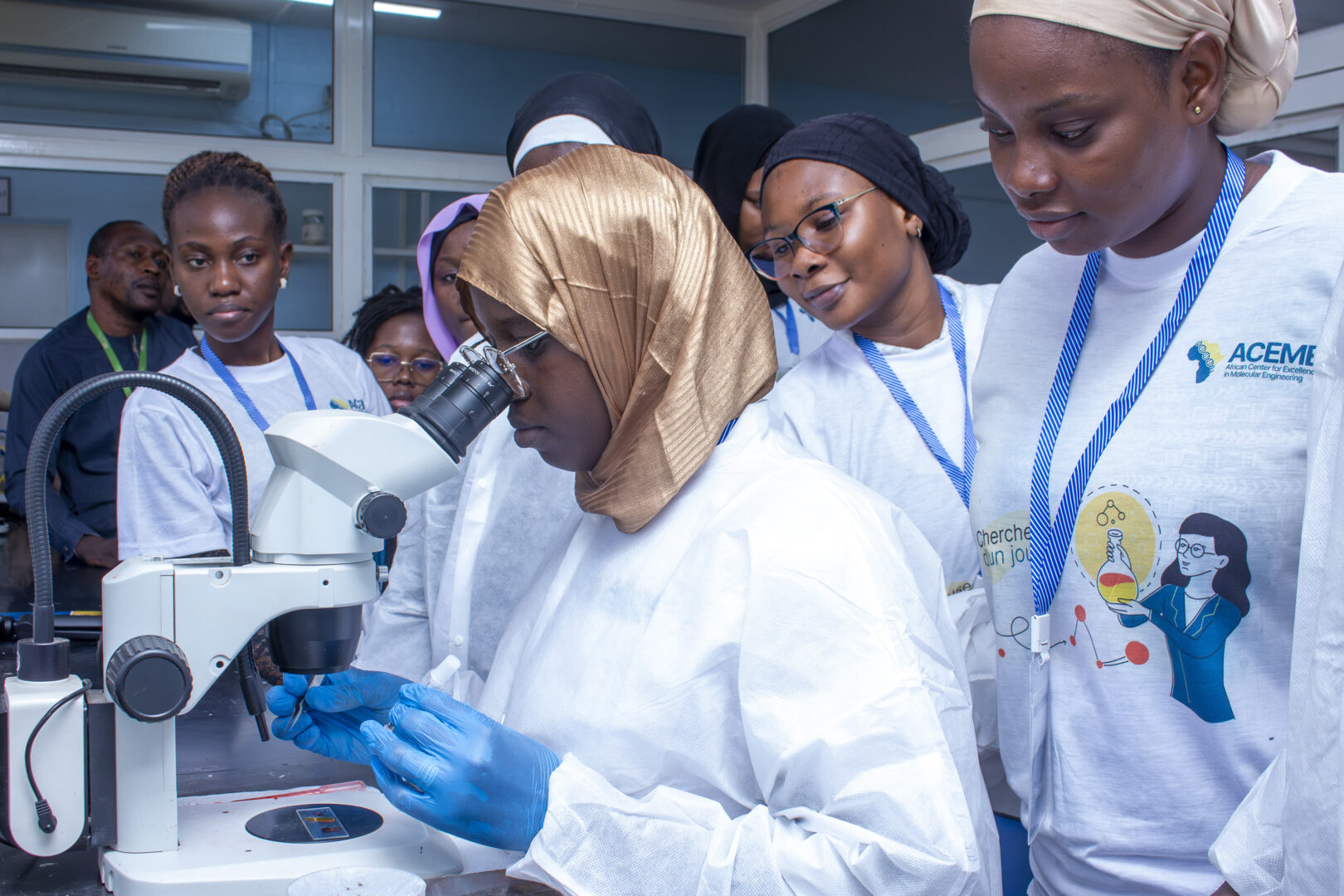
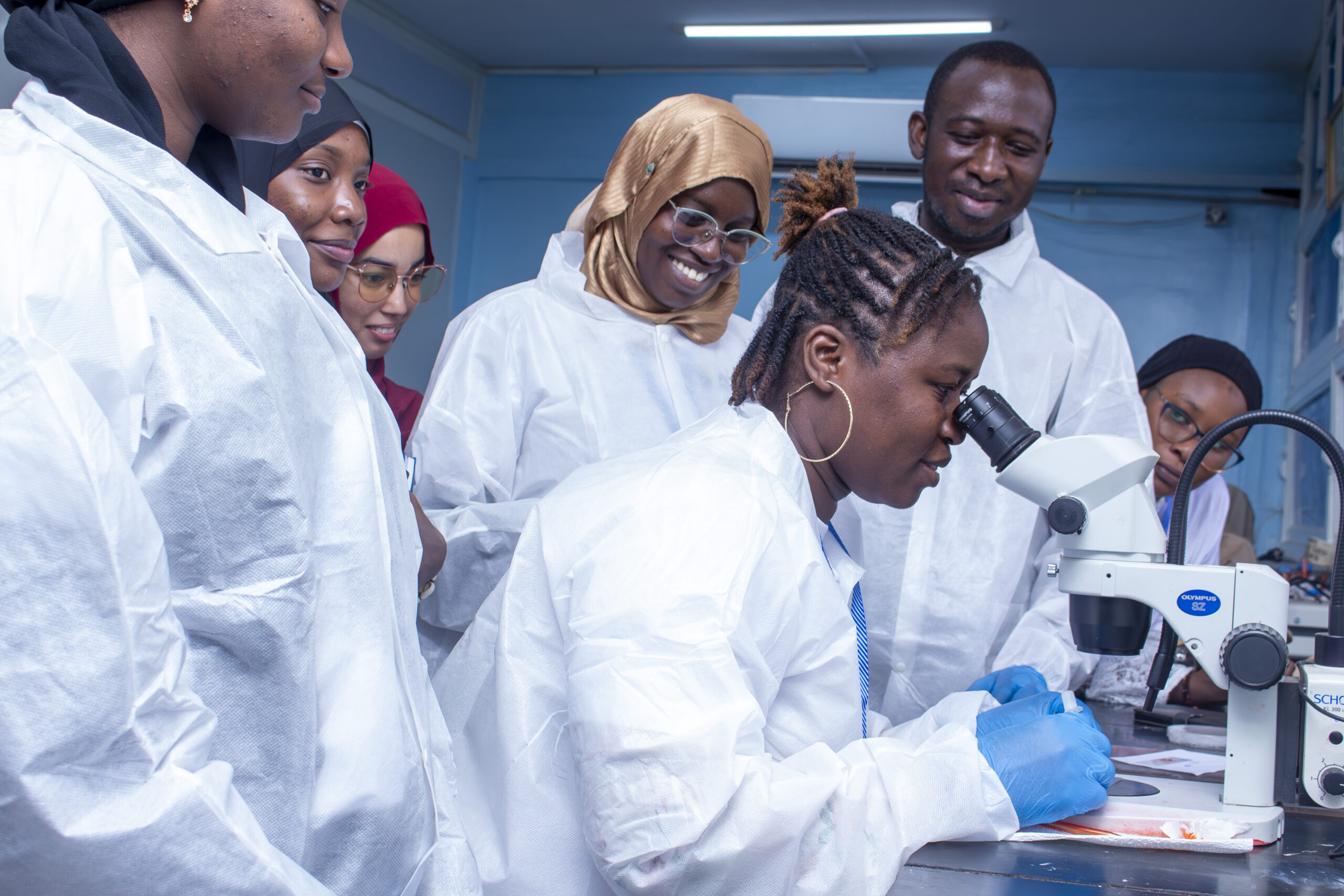
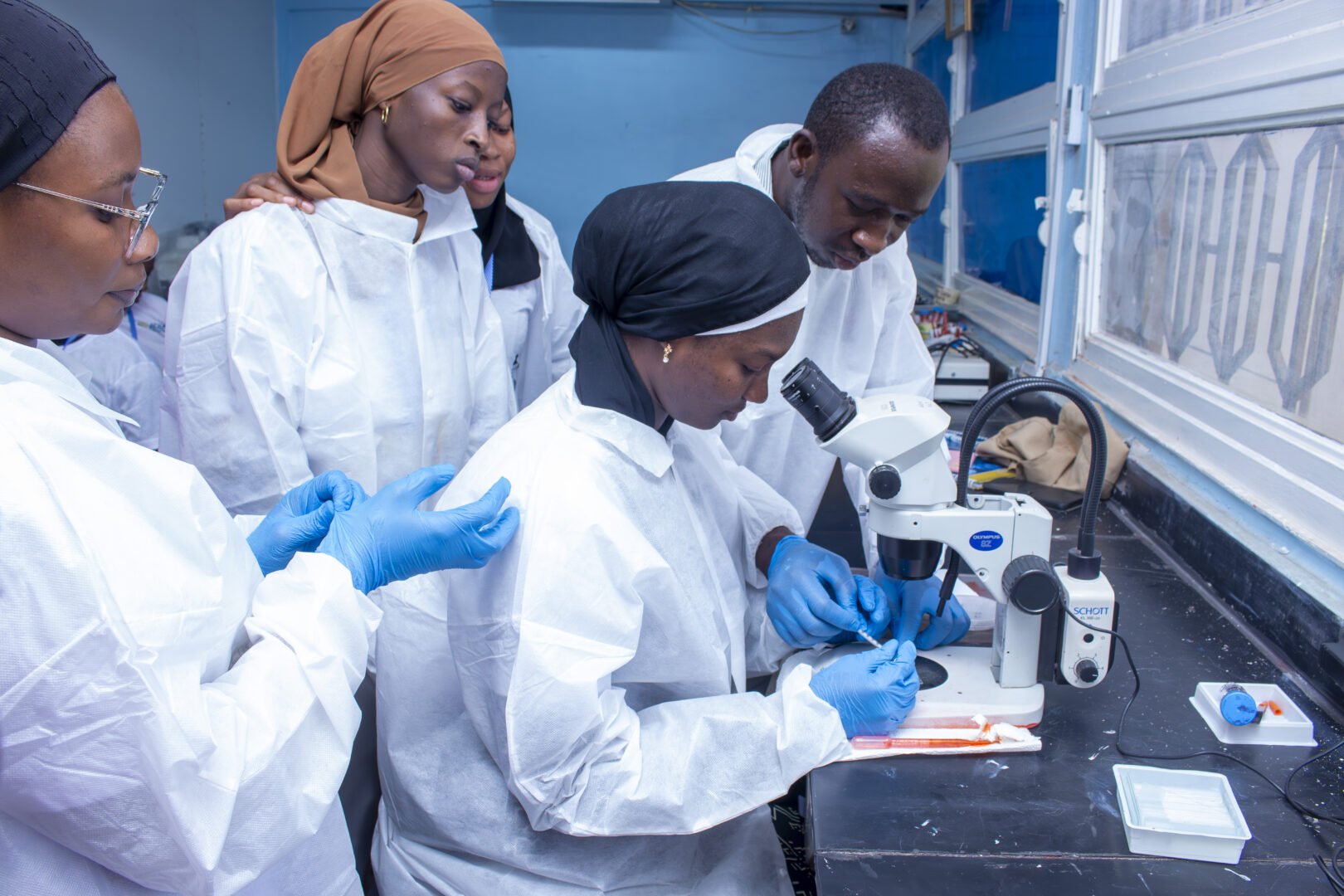
L’exercice a débuté par une étape qui en a impressionné plus d’une : la dissection fine des moustiques femelles (car ce sont elles, les vectrices du Plasmodium). Sous la loupe binoculaire, chaque étudiante a appris à repérer l’abdomen, le thorax et surtout la tête qui comporte la trompe, c’ est elle qui permet à la femelle de piquer. Un geste précis, presque chirurgical, qui demande patience et minutie. « Je ne pensais pas qu’un si petit insecte pouvait révéler une telle complexité », souffle Aminata, l’une d’elles.
Du développement à l’espèce : comprendre le cycle pour mieux le briser
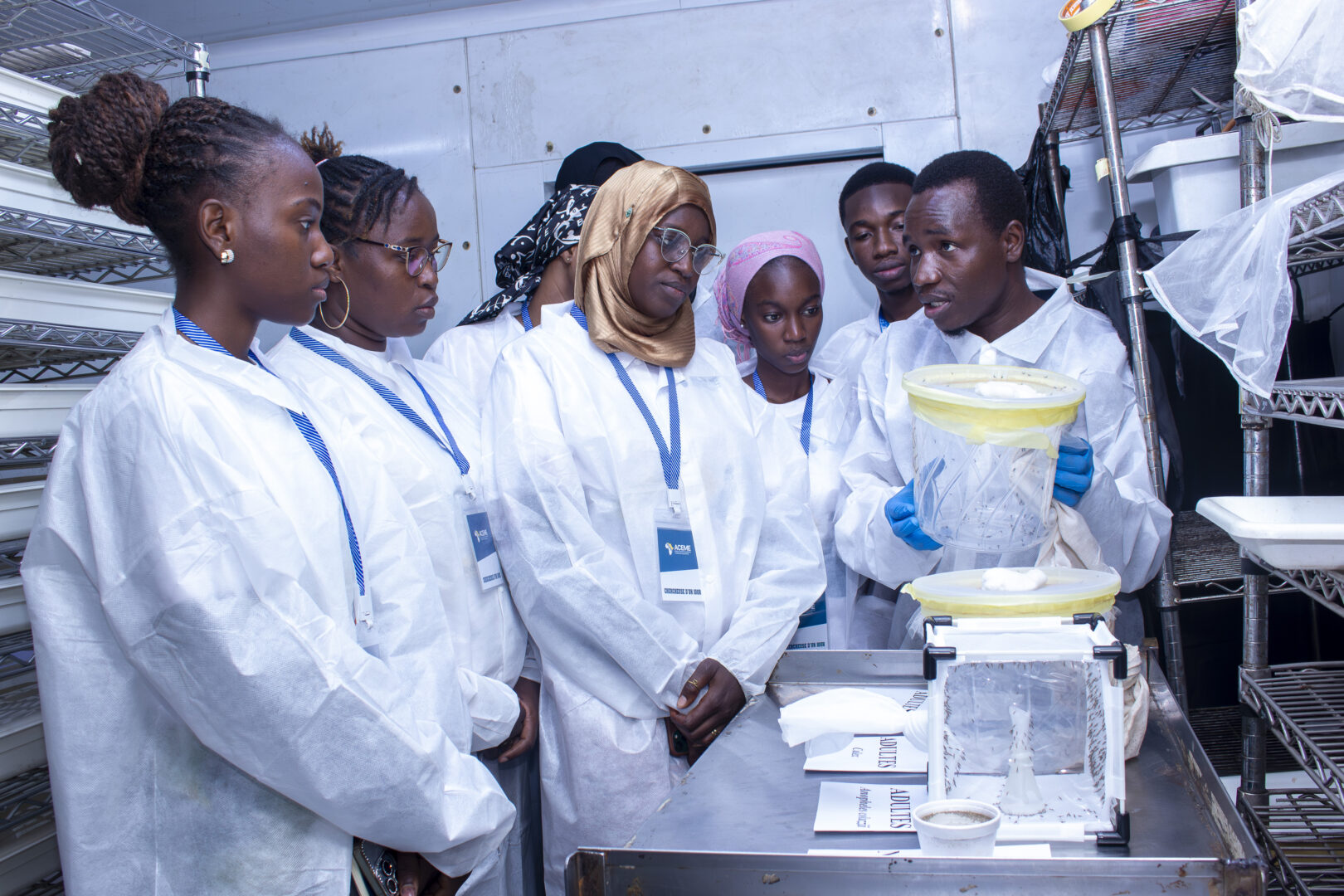
Nous avons ensuite remonté le temps. Les étudiantes ont observé différents stades de développement du moustique : de l’œuf flottant à la larve frétillante, jusqu’à la nymphe puis l’adulte émergeant. Comprendre ce cycle, c’est déjà savoir où et quand frapper pour interrompre la transmission.
Enfin, place à l’identification des espèces. Car tous les moustiques ne se valent pas. Anopheles gambiae, (le principal vecteur de la transmission du paludisme en Afrique), Aedes spp.et Culex spp.les étudiantes ont comparé les ailes tachetées, la position au repos, la morphologie des palpes. « On ne regardera plus jamais un moustique de la même façon », a rigolé un groupe.
Pourquoi former des chercheuses ?
En un après-midi, ces jeunes femmes ne sont pas devenues expertes, mais elles ont gagné quelque chose de précieux : la conviction que la recherche est accessible, concrète, et qu’elle a besoin de toutes les intelligences. Beaucoup repartent avec l’envie de poursuivre une formation poussée en entomologie médicale.
En cette Journée mondiale du paludisme, nous n’avons pas simplement parlé de chiffres ou d’activités nationales. Nous avons semé des graines. Et qui sait ? Peut-être que l’une de ces étudiantes contribuera demain au développement d’outils de lutte contre le paludisme. La science a un visage féminin, et il était rayonnant dans notre centre aujourd’hui.
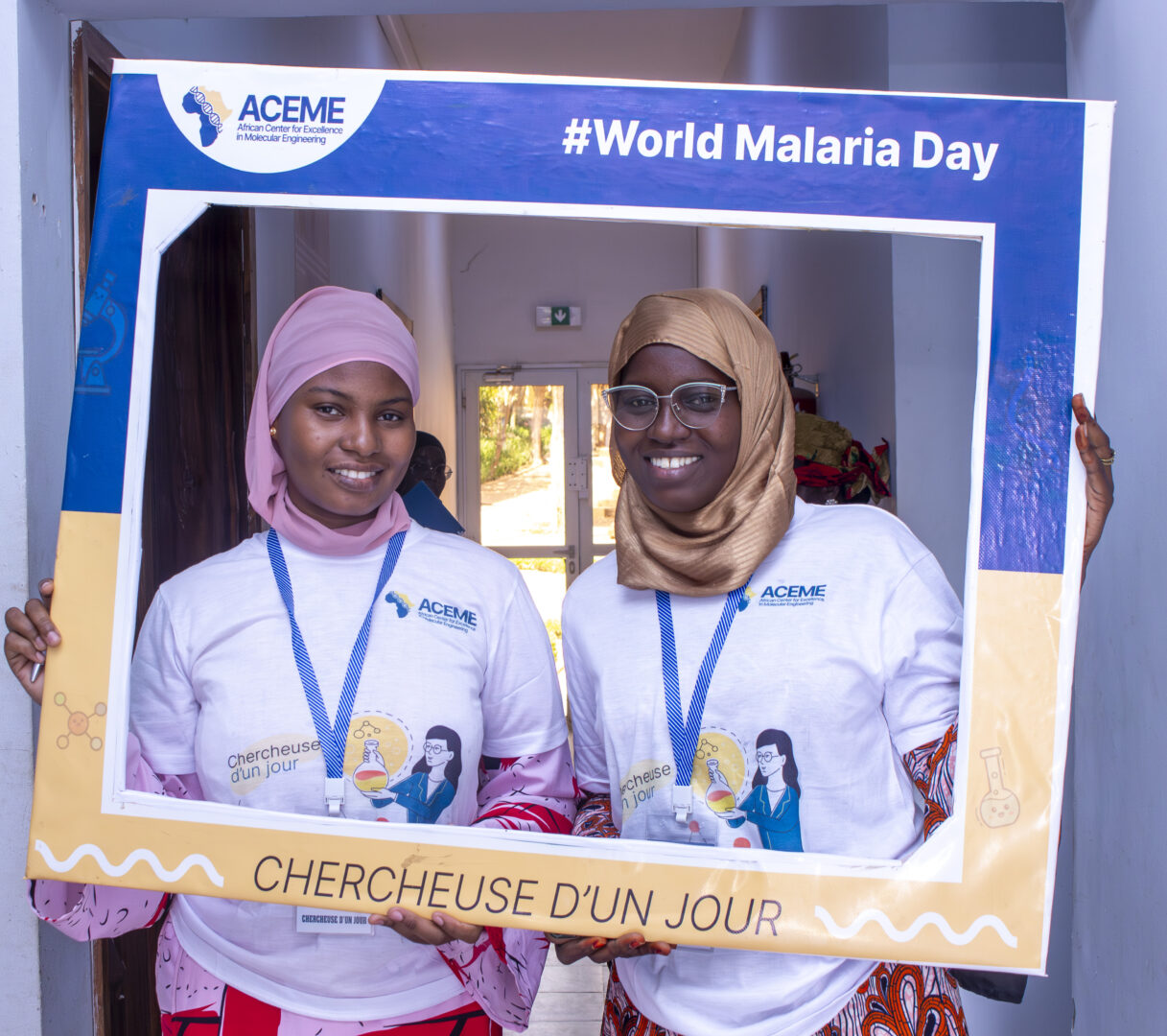
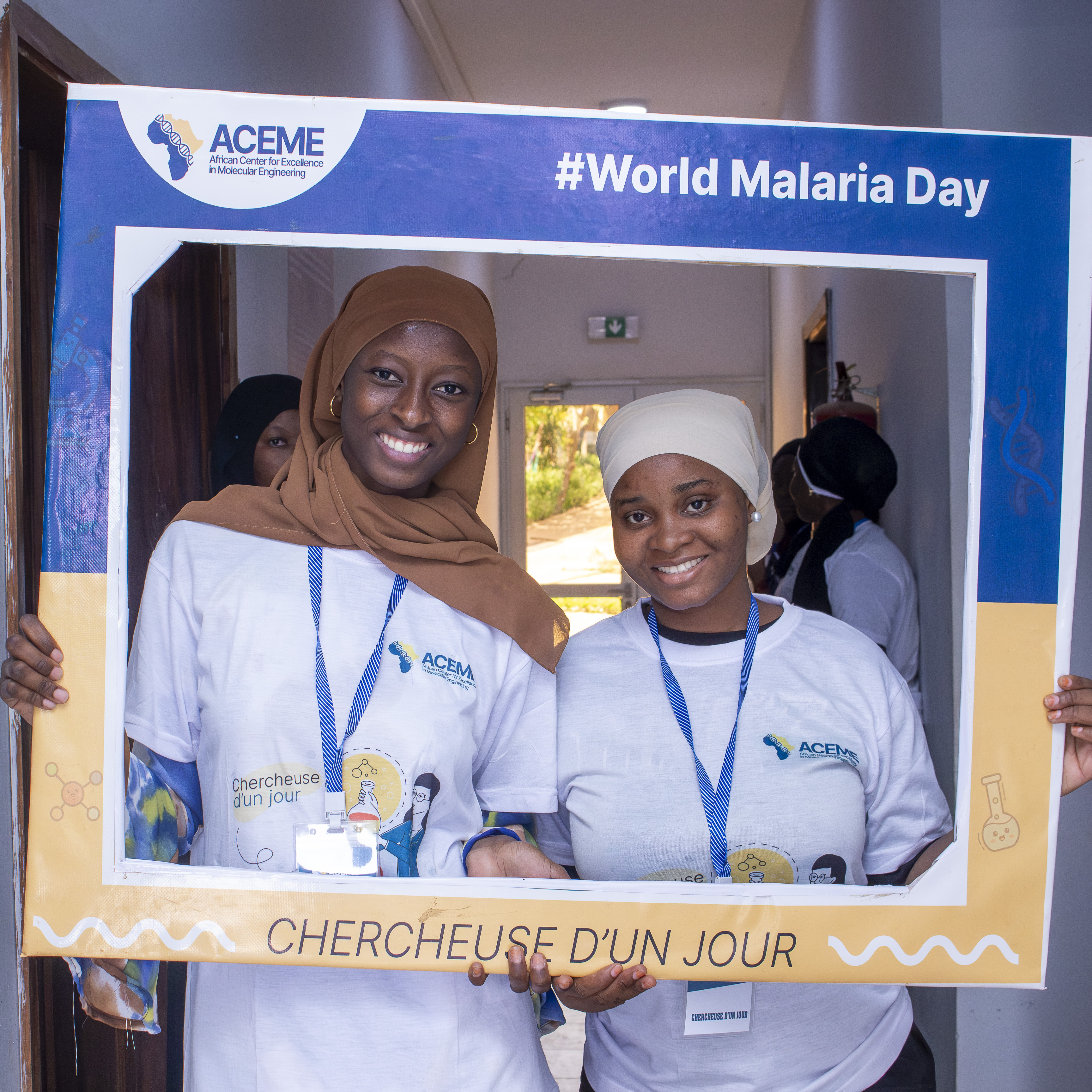
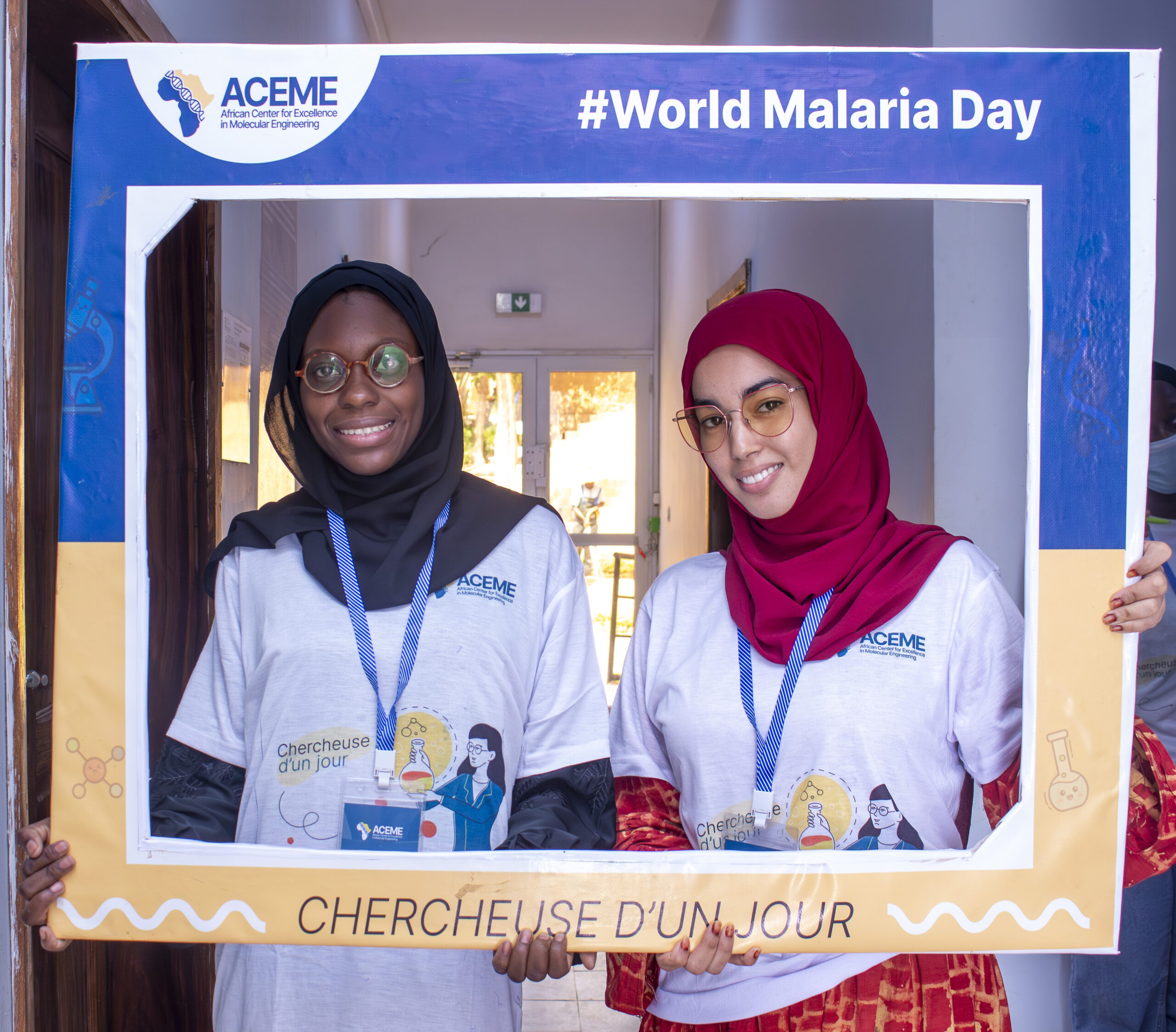
Aujourd’hui, nous semons des vocations. Demain, elles changeront la lutte contre le paludisme.
